Dan McAvinchey
228 columns · 1996–2024
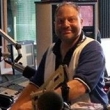
Dan McAvinchey is a guitarist and composer living in Raleigh, NC.
He believes every musician or composer has the power to write, record and release their own music.
Interviews
169 columns
-
Interview: Yuval RonThe way I write, I usually need a strong or engaging title that lights up my imagination.Apr 2022
-
Interview: Martin MotnikI think my biggest accomplishment is that I was able to teach myself an instrument that now enables me to make a living and travel the world.Jan 2022
-
Interview: Andre TonelliOn the right material, the wah pedal actually deepens the connection I have with the guitar.February-March 2020
-
Interview: Michael A. RuelasThough electric shred is my passion I have learned many instruments, styles and aspects of music.February-March 2020
-
Interview: Lorne HindCertain fans (probably musicians) want to hear the instruments speak to them, which they can understand a bit better than the average listener.October-November 2019
-
Interview: Seis CuerdasThe fact that we are brothers in our case plays a big... wait, a huge part in our chemistry when we play. Things just naturally happen between us musically.February-March 2019
-
Interview: Stus RollinsA good website is key to successful promotions. Also Reverb Nation is a pretty important portal to be signed up to. It is a good place to network.February-March 2019
-
Interview: In Dreams Of RealityPlans for the future? Play more gigs in front of larger audiences! Playing live is the greatest thing to do as a guitar player.February-March 2018
-
Interview: James RosochaIn order to increase your visibility and gain a position in the mind of your listener or target audience, I feel it's important to invest in a public relations firm that specializes in the entertainment industry.February-March 2018
-
Interview: Sam RussellNothing beats being in a recording studio with professionals. It’s one of those moments you dream about as a kid learning to play.February-March 2018
-
Interview: Shawn ChristieIn my opinion, having a booking agent is more important than any other traditional aspect. Independent artists need to take their music to the people and having more opportunities to perform live is paramount.December-January 2017
-
Interview: Pascal AllaigreI've just released my seventh instrumental album, which is now available on all web platforms, as are my six previous releases.August-September 2017
-
Interview: David CaudleI'm trying do more to get the music exposure and the radio airplay is doing that for me, since I get listeners from every country in the world.June-July 2017
-
Interview: Adrian WeissThis time I tried a crowdfunding approach and was able to finance a significant part of the production costs through pre-orders placed through the respective campaign.June-July 2017
-
Interview: Jartse TuominenI hear themes in my mind and somehow it goes on paper. Some songs on "Untold Stories" took years to get written and recorded.February-March 2017
-
Interview: Andre TonelliBut there is a risk with being an independent musician, and that is that you get so lost in your own freedom that you end up with a career that isn't going anywhere.December-January 2016
-
Interview: Mark ProtzeThe main reason I started to play the guitar was Randy Rhoads. He had the biggest influence on me and my playing. When I first listened to him I couldn't believe what I'd heard.October-November 2016
-
Interview: Rob GarlandThe music I write and record under my own name is just the kind of music I'd like to listen to and therefore has no commercial consideration whatsoever, which means it's a bonus if other people like it!October-November 2016
-
Interview: Steve SalterKnowing I would fund the project myself, I felt that I would demonstrate more credibility to labels and other industry heavy-weights by investing in myself prior to asking them to invest.October-November 2016
-
Interview: Sam RussellI love creating things, so putting my project together myself, while it was a lot of work, was very rewarding and also a good learning experience.October-November 2016
-
Interview: Mike Milan DedicWhen I started playing guitar I was very fortunate to have all the great guitar players in the prime of their career to look to for inspiration.August-September 2016
-
Interview: Chris RollingMy favorite bands were AC/DC, Motorhead, The Stray Cats, The Sex Pistols and so on, so mainly hard rock, heavy metal, punk rock, and rockabilly/psychobilly stuff.August-September 2016
-
Interview: Renaud Louis-ServaisIt's much more difficult to attract the audience without vocals. For that reason, it's very important to build some nice and attractive themes and melodies in instrumental music.June-July 2016
-
Interview: Dimitry ScopellitiMy music a mix between the aggression of metal and the madness and extravagance of prog-instrumental-rock, I don't close myself in within just a single genre.June-July 2016
-
Interview: Dana GaynorI run a small production company and we are learning the ropes as we go. Someone once said you're either learning or dying. I prefer to learn.April-May 2016
-
Interview: Simon GardnerMy latest CD "And So It Goes..." is self released through CD Baby. It was always my intention to release it myself as the thought of trying to pitch it to people was just too depressing!February-March 2016
-
Interview: Francis HowardI really want to hear these songs live. I have many plans for this album, and I would love to play festivals and do guitar clinics. It would be a lot of fun.February-March 2016
-
Interview: Gabe TreiyerI owe my entire career to the internet and social media sites. If Mark Zuckerberg knows how much Facebook developed my career I probably need to pay royalties to him!February-March 2016
-
Interview: Alex RosselliI'm always looking to better myself as guitarist, not so much the speed or technique but more the touch and sound that I try to achieve.February-March 2016
-
Interview: Nik DaviesI first picked up the guitar when I was around 7, then became hooked from the age of about 12 onwards. I used to wake up in the middle of the night to play as I was just so excited by it!February-March 2016
-
Interview: Steve KaynanI'm getting an audience that want to hear my original compositions as opposed to seeing me play covers which has been flattering! All with no manager, no agent, no label, no representation, no producer - nothing!December-January 2015
-
Interview: Steve CoyneI'd like to do something with Eddie Van Halen. His ideas seem to transcend what we know about music theory and chord progressions and scales. He just has his own way of seeing things.December-January 2015
-
Interview: Vinny RothI am using every form of social media to promote myself and my music. I use everything from my YouTube guitar lessons and live videos, to CD Baby, MySpace, and Facebook.December-January 2015
-
Interview: Eric Loy(An advantage of being independent is) you can be true to yourself and not compromise musically, artistically, or morally. I really see no downside to being independent.December-January 2015
-
Interview: Marcelo RoascioIt's always difficult to label your own music, but I think of it as instrumental classic rock. I like to compose actual songs, not guitar exercises or improvisations which will only appeal to other guitar players.October-November 2015
-
Interview: Gary BordenI find that you must have constant activity to create and maintain the interest of people. Facebook is a great way to share new projects with friends and fellow musicians but it doesn't reach people outside your circle.August-September 2015
-
Interview: Paul BibbinsPeople tell me that my music sounds unique for this day and age. I don't know if that's actually the case; but I will tell you that I'll try to sound as differently as I can, for as long as I can.August-September 2015
-
Interview: Eliot LewisI decided to release these EPs of 5 songs every 6-8 months - it's a big enough body of work to allow the listener to get involved in, and it keeps the people interested in my music always engaged in new songs.June-July 2015
-
Interview: Dave ParisI use a lot of variety. I swap between acoustic and electric, alternate tunings, slide, and various techniques. This CD features dobro, eBow, talkbox, even a cigar box guitar!June-July 2015
-
Interview: Lucas FagundesI have been getting great feedback and a huge growth on social media, though. To me this proves quality is still the most important thing and can go a long way on its own.June-July 2015
-
Interview: Michael A. RuelasI strive to be the best I can, and I do that by incorporating everything I know into my music and I never stop learning.April-May 2015
-
Interview: Alex BaboianThere was no goal or idea to create an album initially. The music on the album was gathered from many musical ideas that I had had over the last two years or so and were composed in many different places.February-March 2015
-
Interview: Michael CernaI didn't want that DIY vibe for the artwork, or the sound/production. I wanted a quality product that will stand the test of time, and that meant really deciding what I could do myself, and what would be better left to a dedicated professional.February-March 2015
-
Interview: Adrian WeissMy vision and formal concept of an album is always a full length CD. And I´m surprised at how many people actually order my physical CD album. Actually I´m selling quite a few more CDs than downloads.February-March 2015
-
Interview: Adam LawI've found Youtube to be a great platform for exposure. It's awesome what you can do in a home studio with a GoPro, software and a few days.December-January 2014
-
Interview: Stus RollinsRadioAirplay.com - there is nothing like getting your stuff heard and getting new fans. It costs but it works and does generate interested fans who like your music.December-January 2014
-
Interview: Ariel EshcarI personally think that since everything is in HD today, it gets too clear sometimes, and then, the enchanted atmosphere is not there.December-January 2014
-
Interview: George RobinsonThe upside of the democratization of music production is that anyone can create and market their own music. The downside of the democratization of music production is that anyone can create and market their own music.August-September 2014
-
Interview: Chris FuryAlthough social media can be great to connect with fans, who knows when Facebook or Twitter will disintegrate? My advice to other musicians would be to not put all your eggs in one basket, especially if you don't own that basket!August-September 2014
-
Interview: Jartse TuominenIt's having different layers on songs - melodies and different time signatures under melodies - that makes songs interesting. It´s cool when you are able to find new things from songs after listening several times.June-July 2014
-
Interview: Dejan TorackiI recently posted a couple of tracks on Soundcloud and my track "Atomic Shadow" went bananas with over 50,000 listens within a couple of weeks. That was the largest single networking event I've experienced.June-July 2014
-
Interview: Rob WardIn general, my newest compositions are always my favorites. Creating is what it is all about for me. I rarely go back and revisit old pieces. My current material is always representative of where my head is at musically at any particular point in time.June-July 2014
-
Interview: Mitch ChmaraMy first CD with my name on it was self-released. They recorded me for free so I would have a product out but it is a live CD, recorded in a club on a night I didn't know I was to be recorded.June-July 2014
-
Interview: Chris SurmaMy latest album was self-released and to be honest I completely forgot that there was even an option of being on a label. I never attempted to send a disc anywhere asking to join a label.June-July 2014
-
Interview: Marty RiceA lot of people don't realize that the guitar is a great melodic instrument, and can easily take the job of a singer. You can take a vocal melody, play it on a guitar and make it just as expressive or more so.April-May 2014
-
Interview: Ivan RiveraI play instrumental blues and rock. Freddie King's instrumental records really had an impact on me. I can't sing but those records showed me there's still a lot you could say without vocals.April-May 2014
-
Interview: Andre TonelliThe unexpected success of "Fill The Sky" has spawned tons of other peripheral stuff that also requires a lot of time and effort such as interviews, endorsements, and guest appearances.April-May 2013
-
Interview: Todd FergusonI wanted this CD to sound like four musicians jamming live in a studio, and if that's what it sounds like to someone, then that makes it better.April-May 2013
-
Interview: Strat A. KatI'm not taking myself to seriously. And I think that's a good thing... music is supposed to be fun.February-March 2013
-
Interview: Joe StumpI've got a killer new record out on Lion Music which is being promoted with a digital, electronic press kit (EPK).December-January 2012
-
Interview: Jon HeringtonMy listening isn't biased towards guitar players. In fact, I think I might even avoid seeking out guitar players' recordings, because I've had better luck trying to get clear about my own approach to the instrument.August-September 2012
-
Interview: Dino FiorenzaI had several proposals with major labels, but now the music business is really hard - no one does anything serious for you.February-March 2012
-
Interview: GuitarsnakeToday it is quite hard to set yourself apart in the instrumental rock domain. There are a lot of great guitarists! Unfortunately, lots of them do the same kind of stuff.December-January 2011
-
Interview: Hedras RamosI believe the Internet it's a great window to the world, it's a great tool to communicate with other musicians, and people who can help you with your career; it's definitely great for business!October-November 2011
-
Interview: Jarle H. OlsenInstrumental music is pure and real music! It has all the focus on the music and not on some cheap love story. The most exquisite music does not need words to express itself.October-November 2011
-
Interview: Christian MuenznerPhrasing is what makes the big difference between just mindless noodling and a great guitar solo in my opinion. Think more about which notes you play and when you play them.August-September 2011
-
Interview: T.D. ClarkIf you want respect, get out of the music business (laughs)! If you love what you are doing, it will show and you will gain respect. People who buy records like how songs move them no matter the skill level.April-May 2011
-
Interview: Stuart HammI am very fortunate to know and have worked with an amazing variety of musicians, so I can write a piece of music with someone in mind.December-January 2010
-
Interview: Nili BroshI still discover a lot of music by word of mouth, seeing what my friends are listening to. I have always bought music and still do.December-January 2010
-
Interview: Patrick VegaWhat works for me is a real life approach mixed with the internet stuff. The Internet by itself is just digital overkill for all of us suffering from ADHD. Everyone has 47 social media profiles, a web page, and ends up sitting in front of the computer all day.October-November 2010
-
Interview: Michael AbdowI personally love to hear melody and hooks in solos as well as lyrically slow/wide vibrato and story-telling phrasing capped off with shredding licks that make you want to fall to pieces.August-September 2010
-
Interview: Stefan ArtwinIf you have gathered some musical experience by actively making music, you listen to music in another way. You are able to hear everything and not only the lead instrument or vocals.August-September 2010
-
Interview: Joe StumpI'm very fortunate in that I get to tour and play live quite a bit. I'm also happy to say that my fan base continues to grow, so considering the state of the music biz these days I've got no complaints.April-May 2010
-
Interview: Kevin A. SmithA great solo works like a powerful and moving speech. Something that grabs your attention, keeps you interested, tells a story, and wraps up leaving you feeling like you got something from it.April-May 2010
-
Interview: Dave ReffettOne I stopped procrastinating and making excuses and decided that I really wanted to make an album that I would be the first in line to buy - an album that really excited my heart.April-May 2010
-
Interview: Toby KnappWhen you hear generic music, you can bet the composer wasn't inspired, rather they were stringing riffs together and trying to impress.April-May 2010
-
Interview: Tristan KleinMusic is a language, it comes from your soul and your body. I'm not hung up on technique or theory; that's why I love Santana as much as Vai. What they play just comes from the heart.April-May 2010
-
Interview: Borislav MiticRegardless of the economic slowdown, people tend to want to download a lot of their music for free, thus leaving artists without income that would be generated through royalties from CD sales.February-March 2010
-
Interview: Ben KuzayMost of the songs were the result of me sitting by myself in my living room and fiddling around with the bass guitar, completely directionless - which is the setting I find most conducive to songwriting.December-January 2009
-
Interview: Jason SaditesI wanted to be very careful not to have a CD that seemed to ramble on endlessly. I wanted to put out a CD that the listener could listen to front to end and feel musically satisfied when it was over.October-November 2009
-
Interview: Sean BakerI've been exposed to music throughout my whole life, basically because my parents were such fans of music. I've been a huge fan of the guitar since as far back as I can remember.October-November 2009
-
Interview: Wayne Wesley JohnsonI have found that by recording and adding a few "cover tunes" to my CDs as well as my originals, has helped get folks online to discover me. After they've listened to my arrangements of their familiar pop tunes, they may decided to check out my original music, too.August-September 2009
-
Interview: Allen HindsMusician's Institute (which was then GIT) was the best thing I could have done. I do well in competitive scenes. I progressed fast in those years.June-July 2009
-
Interview: Peter GusmanoThis project is one that has 100% of all CD sales, no matter where purchased, going to support LilliansJourney.com, the foundation we began for my mother. LilliansJourney.com supports and donates all of its funds to Project ALS.June-July 2009
-
Interview: Andre TonelliThere is always something you don't know. Thinking of the end result is a distraction and more importantly, there is no end result. You will be learning for the rest of your life.February-March 2009
-
Interview: RazlI tend to discover guitarists that have been there for a long time and have many records, but hadn't catch my attention until recently, like Derek Trucks or Alex Machacek.December-January 2008
-
Interview: Ben KuzayWe often cannot pinpoint exactly what it is we like about a certain piece of instrumental music, but the music nonetheless resonates within us on a deep, personal level.December-January 2008
-
Interview: Vernon NeillyWhen I do a project like this, I give total creative liberty to each artist because I want their personal flavor as an artist and producer, not mine.October-November 2008
-
Interview: Scott AllenIt was really important to me that all of the crazy shred guitar on the record be song driven and not the other way around. As a listener, I want to hear songs, not a brief melodic section and then eight minutes of jamming.August-September 2007
-
Interview: Andy JamesMy main aim with this album was to write songs that had really strong melodies and structure and that would be appreciated by a wide range of listeners other than just guitar players.June-July 2007
-
Interview: Massimo IzzizzariWith this album I attempted to express all my musical influences throughout the years. I expected the album to go straight to the listener without being too simple.April-May 2007
-
Interview: Edward BoxI've never had a specific practice routine other than practicing everything out there! When I'm writing I tend to focus on any problems a song throws up, and I put a lot of work into melody and solo construction.April-May 2007
-
Interview: Daniel PalmqvistI like to listen to players who take you on a journey and have a clear direction and build-up to their solos. Kind of like a composition within the composition.April-May 2007
-
Interview: Allen KaveSince instrumental guitar music isn't a big seller, it gets short changed quite often. As a matter of fact, finding the Guitar Nine website was a revelation to me. I didn't realize there were so many musicians doing instrumental music.December-January 2006
-
Interview: Jill YanThat's the beauty of instrumental music, when listening to it, you can imagine or feel whatever you want.June-July 2006
-
Interview: Jason SaditesI just love instrumental guitar music. There is something great about hearing somebody write music that will keep people's interest without having the vocal to rely on.April-May 2006
-
Interview: Eric MantelBeing your own record label eliminates having to sell your soul. You also have full control over the creative aspects of your music, you own 100% of your publishing, you don't put yourself in debt, and you call all the shots.February-March 2006
-
Interview: Jay GeilsI do any interview I can arrange to promote the CD. My partner has been marketing all over the internet and working in conjunction with our record company to keep getting press and putting the word out about my CD.February-March 2006
-
Interview: Randy McStineI have many goals and options, but I'll take it day by day. It's kinda scary to think what could happen in five years. I hope to accomplish something really special by that time.December-January 2005
-
Interview: Francesco FareriI have a lot of experience thanks to my debut album. In fact, for "Suspension" I did everything by myself - production, distribution, promotion - so I know what to do. I know which magazines will be interested and which will not.October-November 2005
-
Interview: Al EstradaThe advantages to working with a label is the feedback you get while writing. On my previous CDs I was pretty much on my own so it was nice to get some feedback for a change.June-July 2005
-
Interview: CurtisRunning your own label is the ultimate outlet for creating your music and getting it out to people. The alternative is sitting at home waiting for a call from a "real" label. Believe me, pinning your hopes on someone else making it happen for you is very frustrating and can turn you into a very weird person.February-March 2005
-
Interview: Tim JenkinsComposition really separates an artist from someone who is soley a musician, in my opinion. If I am to be viewed in any way, I would like it to be as a composer.December-January 2004
-
Interview: Neil BrocklebankRemember, if you look like everyone else, how do you stand out? Don't rely on your technique to get you noticed, it won't. Your songs might, but you've got to get people interested enough to listen to you in the first place.October-November 2004
-
Interview: Michael VickIf the U.S. guitar magazines want to have more of an impact with the global community; they need to balance commercialism with the true artistic and innovative expressions of the guitar in many various forms.August-September 2004
-
Interview: Rob Eberhard YoungBeing independent allows you to totally escape A&R, and do whatever you want. In the next three years I am releasing a solo acoustic guitar record, a fusion record, and a record with no guitar on it. I would never be allowed to do that with PolyGram. Being independent allows you to always be in control of your own music.April-May 2004
-
Interview: Michael FathTry to become proficient in marketing, and develop a keen business sense. This includes your recordings, music book publishing, other merchandising endeavors, etc. The music industry is a very, very tough one, and it takes serious dedication and an unbelievable work ethic to survive.February-March 2004
-
Interview: Sergio LaraOf course besides the music, there is another very important part of your musicianship, which is to learn how to market yourself. It all starts with acting professional, being on time, learning your parts. Learn to ask for advice when you need it from players that have more experience than you.February-March 2004
-
Interview: Miguel MegaThe first thing that you should care about for a CD release is the music. You have to trust in yourself as a musician and composer and try to come up with interesting music and then find a nice studio to record it in, or you can record at home if you have a nice home studio.August-September 2003
-
Interview: Joy BasuThere were a lot of different things that inspired this CD. Once I put the studio together, I just started recording what I wanted to hear. I love guitar and electronic music. I really wanted to blend the two together more than it's ever been done.June-July 2003
-
Interview: Rusty CooleyI sent Lion Music a CD and they emailed me saying they were interested in signing me. I'm really happy to be with Lion. Some of the guitarists I grew up listening to are on that label, and that's cool for me because it kind of lets me know that I'm finally on their level.February-March 2003
-
Interview: David MartoneI think that the best promo is playing live, and to be seen as much as possible. I do many clinics for Digitech, Parker and now Vox amplifiers. This is a great way for people to hear your music and to sell discs at the performances.December-January 2002
-
Interview: Andy MartinLet's face it, it is hard to get a label to pick you up and understand your visions. On the other hand, doing an independent release, you have control and you learn a lot. Sure, it is hard work, but I love to work hard for a dream!October-November 2002
-
Interview: Thomas LarssonThe Internet itself is a huge jungle. I believe it gives a chance for those who don't make it via a traditional label or distributor, if they know how to reach the audience.October-November 2002
-
Interview: Stephen HousdenI had always wanted to do a solo album, but it was all talk. One day I mentioned it again to my wife and she said don't talk about it, do it. So I did. As soon as the real decision was made things started to fall into place, as they often do.December-January 2002
-
Interview: PlanktonThe gear we use is a major part of the Plankton sound. We¥re resting on a solid foundation of the classic sounds from the 60¥s and 70¥s, made famous by Hendrix, Cream and Led Zeppelin among others. It¥s basically Strats into various vintage Marshall amps and cabinets.August-September 2002
-
Interview: Tim JenkinsI recently purchased an 18 track digital recorder made by Roland. I love having it and I'm amazed at the quality recordings with relatively little effort. I plan to do the third Delirious Tremor CD with it, as well as most future projects.August-September 2002
-
Interview: Michael FathI've been playing guitar for 35 years, and still find it very challenging, and exciting. I work at it every single day, and realize that the real fun and spirit of this entire process of being a professional player is the 'journey', not the 'end-game'. Sometimes I feel as if I am just getting started. The most important aspect of learning different styles of music, is one's genuine love for that particular style.June-July 2002
-
Interview: Steve FisterThe beauty of being an independent artist is that I don't die if I don't score a big record deal! I'll still have a career. These days with stevefister.com, Guitar 9, and some independent distribution, I can grow and have more control over my musical fate. A new CD means a bright new day, with more to follow!June-July 2002
-
Interview: Matt WilliamsLiquid Note Records (or LNR) was set up to principally cater for virtuoso instrumental guitar music - though that's not to rule out the possibility that we'll also release vocal albums in the future. LNR's aim is to release albums every bit as good - or, dare I say it, better - than those released by the mighty Shrapnel.June-July 2002
-
Interview: Randy JacobsI think gear is important because you want to sound your best. I took it to such an extreme, but that's the cool thing about the studio - you can always learn and prepare for the time you get to record the next CD.April-May 2002
-
Interview: Paul NelsonI guess like a fingerprint, no one musician can be exactly alike, so that helps a bit. If I were to make any distinction, it would be that I really respect the tune itself and have always sacrificed technical acrobatics and note bombardment for the sake of melody, depth and feel - which I'll will admit is a constant battle.February-March 2002
-
Interview: Toshi IsedaDoing clinics has allowed me go to places and promote myself where I wouldn't have been able to have even dreamed of going to. I've done clinics/workshops/performances in Germany, Spain, Japan, Greece, Sweden, UK, Brazil, Argentina, Italy, France, Canada, Belgium and of course the U.S. Being one of the top clinicians in the U.S. has gotten me to places I only read about in school.February-March 2002
-
Interview: T.D. ClarkI usually will come up with ideas by throwing on my drum machine and just playing riffs, or by sitting in front of the TV and getting inspiration from whatever is on. I wrote the song "The Fugitive" while watching the movie of the same name. All the action was incredible, and the song turned out to be just as intense.December-January 2001
-
Interview: Harvey "The Snake" MandelI was on mp3.com for a while, but my opinion of the web is that piracy seems to be the end result of all the freebies, so we are staying with pressings even though they get copied and sent out for free. I'm a professional recording artist, so I'm committed to charging for my work.December-January 2001
-
Interview: Theodore ZirasIf I want to compose neoclassical metal, I would be listening and analyzing all the CDs that I've got in my collection. Then I am ready to absorb all these influences into my playing and my compositions. The good thing is that the final result is totally different from the tunes that I listened to for inspiration.October-November 2001
-
Interview: Gus G.For me it's the biggest challenge to stand out from the rest of the bands out there. The market is so full of bands out there these days! There must be at least 100 new albums coming out every month, just for metal music. So, imagine how hard it is to make a difference!August-September 2001
-
Interview: Francesco FareriI think that for these great guitar magazines the most important thing is to sell copies, so they are "compelled" to put on covers and dedicate as much space as they can to the most famous guitarists -- in fact, there are always the same names featured! It would be cool to some day see a cover with all the undiscovered ones!June-July 2001
-
Interview: HessWell, this a great time for bands and independent record labels. The exposure is endless and the quality is so much better than even 10 years ago. I think bands will get smart and start to depend less on the company to put it in stores and see more of the future music listeners downloading the album. This would cost less for the buyer and give more to the band.February-March 2001
-
Interview: Chris PolandI have always played because I love the guitar and now since 1994, when I again started being in charge of the projects I was involved in I have felt the freedom to make the music I want to make and that I personally enjoy.December-January 2000
-
Interview: SynesthesiaAll Latin or world music requires a very strong groove even if it is slow. That was a challenge since I am coming from a rock/fusion area. It helped my playing that way. Also when it came to soloing, I could not rely on my legato technique as much since it would not come out as well. Thus I worked on my alternate picking for a few months before the recording.October-November 2000
-
Interview: Torben EnevoldsenI wanted to record this album as a band. The intensity and energy you get from recording as a band is far superior than to that of using hired guns. Being very influenced by bands like Dream Theater, Symphony X etc., I wanted the new material to be more aggressive and somewhat progressive, however still keeping everything very melodic.October-November 2000
-
Interview: Ann KleinI think the stylistic variety comes from the fact that I love so many different kinds of music and I've played with a lot of different kinds of artists. I've played with a salsa band, a blues band, numerous pop bands, and an avant-garde jammy classical-jazz band.October-November 2000
-
Interview: Prashant AswaniI have done interviews with quite a few leading Japanese and European magazines. My experience with them has been very positive. As far as US magazines are concerned, it is hard for me to say how they are handling guitar-oriented music, because I haven't dealt with them much in the past. There just doesn't seem to be that much of a market for insturmental music in the US as there is overseas.August-September 2000
-
Interview: Joe BocharI never thought I'd be CEO of Virgin Independent, nor would I want to. I had material to release. No major or indie label wanted to hear about it, so I did it myself. And let's face it: guitar music is a tough sell, so most majors won't cut you any slack.June-July 2000
-
Interview: Jaye FoucherI find it hard to believe that some people have trouble getting press. It's not really that difficult to do. I think the hardest part is letting go of the fear of a bad review. I've spoken to colleagues who don't send their CD out because they're afraid it'll get trashed. Yeah, it might. But you have to take that chance.April-May 2000
-
Interview: Michael FathI believe that back in the 80's it was a very novel thing to be an instrumental rock guitarist. I mean we've had rock instrumental songs since rock began, but the technical advances made by many of us were very charming and, for a while, in vogue. These are the very same qualities that almost killed the genre.December-January 1999
-
Interview: Howard HartAs far as releasing independently - there's really no other way. Instrumental music (other than 'happy saxophone' music I suppose) doesn't really get a lot of support from record labels, guitar magazines, radio, whatever. So, if you love doing this kind of thing, then you really have to accept that you've gotta do it yourself.December-January 1999
-
Interview: Alien CowboysWe have our own recording facility at our rehearsal studio and have been doing all recent recording there. We also rent time if necessary at a more elaborate studio. Ralph (Perucci) has his own studio in Manhattan.December-January 1999
-
Interview: Dave BeegleI like to take another artist's song and vision and take it to another level. My experience with Fourth Estate, as well as contributing to many other projects and playing in countless cover bands, gives me a broad perspective in which to approach working with a variety of different artists. I am also very picky about sounds and tones and I think that translates in most of the projects I've produced.August-September 1999
-
Interview: Sandy PragerExcept for distribution, I've always made out better doing it myself using investor money then any contracts I've been offered. I have a "go in the studio and play" mentality. I don't overdub, and I usually only do two or three takes for each piece. I make sure when I go in, I'm ready! So my costs are embarressingly low!August-September 1999
-
Interview: Greigg FraserBut even with my success in Belgium, it was impossible to get any industry support/interest generated. It was then the time of Kurt Cobain and friends, people like Tony MacAlpine and Greg Howe weren't having any luck, what hope was there for me? Releasing my own CD seemed like the only answer.June-July 1999
-
Interview: Travis Larson BandThe only recording I do at home is for demo purposes. My engineer and I have actually built a commercial studio in San Luis Obispo, CA. The studio is a 3,000 sq..ft., 24 track, digital facility. It was a huge project, spanning two years. The great thing is I don't have to worry about the clock anymore. There is a tremendous feeling of freedom when I can spend the time needed to record my songs, the way I feel they should be.April-May 1999
-
Interview: David MartoneI was never a fan of direct guitar sounds but for some reason this album ("Zone") is full of direct guitar. All of the rhythm tracks, clean and dirty, were recorded direct. I find that this gives the punchiest sound out there. The Sans-Amp rack really helped also. It is one of those 'plug and play' pieces of gear which tone just oozes out of.February-March 1999
-
Interview: Steven HoppWe have tried to record as much of our playing as we possibly can, both in practice and "jamming" sessions, and when we perform live, to give ourselves some feedback. When playing it's very difficult to listen to yourself because you're too busy thinking about what's going to happen next, while in critical listening you concentrate on the blend of what has just happened. By listening to recordings of ourselves we can pick out the improvisational parts that work well, sound great, or have promise, then try to concentrate on developing them.October-November 1998
-
Interview: Adrian GalyshI hope my music, although there are no words, communicates and reaches people on an emotional, spiritual and entertaining level. I try to incorporate various instrumentation, and contemporary compositional influences.October-November 1998
-
Interview: Chris KorbleinFor Europe my music is not aggressive enough and in the US I didn't have anybody to present it to. So rather than making so-called industry contacts and "wait until it happens" I decided to do it myself, which turned out to be much faster and got me and my music much more respect. I highly recommend a musical statement such as this to all musicians who intend to be a part of this complex industry.October-November 1998
-
Interview: Brian LoydI knew what I wanted to do but there were no labels dedicated to the guitarist as the artist, but only to the guitarist as a shred meister. I read an interview with guitarist Glenn Phillips, who has released ten albums independently. I realized from his comments (about the music industry) that the only way to reach my goal was to follow his example.August-September 1998
-
Interview: Steve FisterIn the last few years I've made a record for a major label that didn't get released. Then I signed with a indie label. I thought the majors were the bad guys, and this label would give me more attention. WRONG! To make a long story longer, the small label had bad distribution and never paid a bill, let alone the tour support and promo budget.August-September 1998
-
Interview: Bill PierceI am trying to reach into the heart of the listener and make him or her feel what I am putting out emotionally. I just want young people to become emotionally attached to music again. I want to enlighten a younger audience.June-July 1998
-
Interview: Peter NeriThe best marketing tip though, is not to think of the market when you are composing or playing your music. Play only what is true to you--as an independent musician, you have that luxury.June-July 1998
-
Interview: Ben ShermanI just released my first CD after 27 years of playing. For me it represents the end of a struggle to accept my influences, yet still feel I have a voice of my own. I also wanted to express the fact that I just love to play, and that I love music without borders. Most importantly, I want to create music that expresses my true heart, and that inspires the listener to do the same.April-May 1998
-
Interview: David MartoneI decided to do the independent route because that is the only route that is available to me at the present time. I have had releases on A&M Canada and Legato Records but I can't wait for the "grown ups" to decide whether or not to release the music. I want to have my music out there like anybody else and if I have to do it all myself--so be it!April-May 1998
-
Interview: Joy BasBe prepared do a lot of work promoting and marketing. I strongly suggest people make a plan detailing how they will be selling and marketing their record. Rather than trying to sell one CD at a time, shop it for licensing and other types of deals, since ultimately, that is where a large number of sales will come from.February-March 1998
-
Interview: Ken BurtchI can't ever remember deciding to release a CD, it's just something I always dreamed of. I think every musician would like to, deep down. I did it for myself, and I suggest others do the same. Don't put out your first CD and expect to get rich, because it just doesn't happen that way.February-March 1998
-
Interview: Scott HughesI'd really like to develop into a good composer. I'm not a Greg Howe or an Allan Holdsworth when it comes to soloing, so I have no choice but to work on developing my compositional skills so that people will have a reason to listen! To me, the ideal is someone like Scott Henderson, or Shawn Lane, who are not only amazing players, but equally strong, if not better, composers. That's the pinnacle, to me.December-January 1997
-
Interview: Dan McInerneyThe bottom line is: I believe in my music. As an instrumental artist you're not going to land a huge deal with a major label. If you do get a deal the label is going to take a huge chunk of money, and even if they do sign you, they may not even distribute your CD. Some friends of mine signed with a major label, and the label has not done a thing with them. So they have a great product that they can't do anything with.October-November 1997
-
Interview: Joe RodriguezI do as much pre-production as humanly possible at home. When you're ready to record, and I can't stress this enough, have everything rehearsed to death and a production plan ready. I did my latest CD at a commercial place, but my dream is to do my next one at home.October-November 1997
-
Interview: Jeff ScheetzThe one thing I always try to do is be in a creative state of mind when I compose. It seems that the ideas flow better if you are working on it on an ongoing basis. For a lot of my instrumental tunes, I sometimes get a mental picture of something in my head, and then ask myself what music goes with this scene. This is much like scoring for film--except the film is in my head!August-September 1997
-
Interview: Marcel WittfeldEven though these days it takes a lot of idealism to produce an instrumental record, I strongly encourage everybody who's playing around with the idea to do so. Just don't expect to get any money out of it, regardless of the quality of your product. It might happen, but it's very likely that it won't. But you will have the best musical business card there is and a unique document of your own creativity.August-September 1997
-
Interview: Neil ZazaYou have to have a good promotion budget and don't skimp corners when it comes to this. You can have the greatest album and if no one knows that you have one out and available, it really is no good. Utilize all that you can with local publications and national ones as well. Always think of the nation as your market and not just your town. You can be the biggest thing in your hometown and unless they know you around, it really is not going to help you.June-July 1997
-
Interview: Savasan YurtseverI record at home in my 16 track (analog) studio. It took me lots of time, energy and money but I'm glad that I've got one. Nothing can beat a home studio. You can go there anytime you want and not be bothered by anyone other than yourself. You don't have to book time, and pay by the hour. Unless you're a lunatic, that is.June-July 1997
-
Interview: Tony YoungGet on the Internet!! It's the best way to get your music heard by millions of people all over the world. Get someone in the music industry to help you (if you're lucky). Get a web-site and push your music and never stop. If you have a dream go for it and don't let anything stop you! Get out there and perform your music live as much as possible.April-May 1997
-
Interview: Scott BradokaMany of the first seeds of a song come to me when I'm mountain biking or jogging. It is at that time when my head gets totally clear and the creative juices start to flow. The tricky part is to remember your ideas until you get somewhere that you can write them down! Then it's just a matter of developing the songs.April-May 1997
-
Interview: Kevin FergusonI've mostly been motivated by wanting to hear something that's already in my head. For the classical tunes, I always thought Paganini's Caprice No. 5 would sound amazing on an electric guitar and just really wanted to hear it. If someone else had a recording out first, I probably would have bought it and then just listened to it instead of playing it.February-March 1997
-
Interview: TruthcircleWe all write together at rehearsal. We never set out to write something new, it always happens that one of us will be tuning up with an idea or just jamming on something, and the other two will jump on it. By the time we realize it, half the song is already written. We look at each other and say, 'I guess we're gonna' write today!'February-March 1997
-
Interview: Todd GrubbsI was offered a couple of small record deals, but the contracts were ridiculous so I invested my own money, and it's starting to pay off. At least this way you own your product.December-January 1996
-
Interview: Michael KnightI've sold thousands of copies of the "Dreamscapes" CD. You have to realize that 95% of all my sales come from traditional print advertising. Reviews don't sell your product. Marketing and advertising do! I'm amazed at the amounts of money bands and artists put into the recording and manufacturing of their product and then have no idea on how to sell it. Marketing and promotion go hand in hand; you need to do both.December-January 1996
-
Interview: Rob JohnsonMy long-term goals are simple, continue improving and have fun! I don't care really if I don't become a 'rock star' or a 'guitar hero', as long as I'm happy with my music and maybe someone else likes it too.December-January 1996
The Power To Release
28 columns
-
Influences: Steve MorseOver the past 50 years, one of the hardest working guitarists in the world.Jan 2024
-
Influences: Vinnie MooreOne of the very first shred guitar heroes promoted by the Shrapnel Label in the 1980s.Aug 2022
-
Influences: Steve VaiVai's whammy antics, speed and 'detuned' playing is highly unusual and original.Nov 2021
-
Influences: Joe SatrianiSince "Not Of The Earth" and "Surfing With The Alien" in the '80s, there's been a lot of Joe S. playing in our studio.Oct 2021
-
Influences: Phil CollenWho could predict in 1980 that Def Leppard would have a 40+ year career, and that the addition of Collen would make such an impact?April-May 2021
-
Influences: Edward Van Halen"Eruption", "Atomic Punk" and a fiery cover of "You Really Got Me" blew us away in 1978.February-March 2021
-
Influences: Jimmy PageLed Zeppelin guitarist Jimmy Page inspired a generation of guitarists.December-January 2020
-
Influences: David GilmourPink Floyd guitarist David Gilmour's unique sound.October-November 2020
-
Influences: Tom ScholzStudio wizard Tom Scholz literally altered the trajectory of my life.August-September 2020
-
The Final Word?McAvinchey signs off on the popular series; what will the future bring.June-July 1999
-
Millennial MarketingThe past few years have seen the rise of several new ways to get your music promoted and selling, leveraging the strengths of the Internet.April-May 1999
-
Thinking Long TermThe odds of doing anything significant in the music business are long from the start, but artists who can't think beyond the short term have it thousands of times harder.February-March 1999
-
Self-Release Q&A, Chapter 2Part two of our e-mailbag dump, answering some of the most commonly asked questions about releasing and promoting records.December-January 1998
-
Who Sells Your Record?Don't make the mistake of thinking this is someone else's job. As an independent artist, the ball is in your court.October-November 1998
-
To "Burn" Or Not To "Burn"CD recorders (or burners) are great in any studio. Should you consider releasing your next CD on CD-R.August-September 1998
-
CooperationNo man is an island. No indie label is an island either. The importance of cooperation.June-July 1998
-
Managing ExpectationsHow to keep from destroying your confidence by setting realistic expectations for your recording projects.April-May 1998
-
Internet Marketing - Fact And FictionIs it really true? Will you get 30,000,000 music fans checking out your music just by creating a web page? Let's separate the hype from the reality.February-March 1998
-
Releasing Records: Patience and PersistenceIf you're a typical musician, you lack one or both of these critical qualities. Let's see how important they are to your success.December-January 1997
-
Finding The Perfect PartnerSelf-assessement time. Can you go it alone? You might need the synergy of two people working together to kick start your label.October-November 1997
-
Indie Release: Do's And Don'tsCompletely subjective, straightforward tips in the areas of promotion, publicity and your career.August-September 1997
-
Finishing The JobAre you a half-finisher? Always eighty percent complete? How you can finish what ya started.June-July 1997
-
Confidence - Build It, and They Will ComeDid you ever wonder where confidence comes from? How is it possible to have confidence at times, and suddenly lose confidence at critical moments?April-May 1997
-
Self-Release Q&A, Chapter 1We turn the electronic mailbag upside down to answer some of the most commonly asked questions about releasing and promoting records.February-March 1997
-
The Role of InspirationHow to trigger inspiration by understanding what causes it, and more importantly, what causes it for you.December-January 1996
-
Starting a Record LabelHow to start and organize your own record label. It's a lot easier than you may think.December-January 1996
-
The Importance Of NowDon't fall into the same old trap of convincing yourself that now is not the time.October-November 1996
-
Are You Worthy?Not quite ready to release that record yet? You may be underestimating yourself.August-September 1996
Studio Nine
8 columns
-
Tool Time: Home Studio Tricks and Tips, Volume 213 additional tips you can use today to improve your tracks.August-September 1997
-
Do You Hear Something? - Eliminating Hums and BuzzesDan McAvinchey helps you to eliminate those pesty sonic gremlins from your home or project studio.June-July 1997
-
Country Guitar - Getting 'That' SoundReader tips for twangin' up your sound.April-May 1997
-
Compression: The Big SqueezeThe use and abuse of compression.February-March 1997
-
Tone To Tape: Tips For Recording Electric GuitarIdeas for improving your recorded guitar sound.December-January 1996
-
Tool Time: Home Studio Tricks and TipsMcAvinchey dips into his magic bag to bring you 16 tips you can use today to improve your tracks.October-November 1996
-
Why Delay? Start Delaying TodayThe use of delay in the studio.August-September 1996
-
Setting LevelsWhy setting levels properly will help you achieve optimal sound and clarity.June-July 1996
The Essentials
5 columns
-
Indie Promotion and SalesChock full o' ideas for promoting and selling your new record, and building a fan base.December-January 1996
-
Copyrights and PublishingAn introduction to the world of copyrights and publishing. It's not hard at all to protect the songs you've written, and you may be surprised at the various ways your original compositions can earn money for you.December-January 1996
-
Record Label Profits WorksheetA Javascript-powered worksheet designed to help a record label estimate costs, price CDs and cassettes, and compute potential profit for a recording project.December-January 1996
-
Guitar Nine Glossary of TermsStudio and music business psychobabble explained.August-September 1996
-
Completing Your Release in Your LifetimeAn article designed to help you on the road to achieving your dream of completing your first CD release.June-July 1996
Guitar Nine Speaks!
4 columns
-
The "Million Dollar" QuestionThe talented artists associated with Guitar Nine respond to the challenge: Put a million bucks to the best musical use.October-November 2000
-
Artist Promotion IdeasThe talented artists associated with Guitar Nine reveal offbeat and unusual ways to get noticed.August-September 2000
-
Greatest InfluencesThe talented artists associated with Guitar Nine recall their mentors and heroes.June-July 2000
-
Gig StoriesThe talented artists associated with Guitar Nine relate stories of their best, worst or most memorable live dates.February-March 1999
Mac's Back Page
4 columns
-
Practice With The MastersStop practicing with boring scales and start testing your fingers with melodic 'riffs' from Mozart, Bach, Beethoven, and more.February-March 1997
-
Rhythm 'N' LeadsStop strumming those simple barre chords, and embellish your chordal work with licks and phrases that blur the distiction between rhythm and lead guitar playing.October-November 1996
-
Roll Your Own PentatonicsBreak free of your limiting beliefs about pentatonic scales.August-September 1996
-
The AscensionNowhere to go with ascending licks but up? Dan McAvinchey confronts the problem and gives you several ideas you can use today. Don't just take the easy way out and start descending either.June-July 1996
Guitar Meltdown
4 columns
-
Originality - The Holy Grail?Sometimes it seems every guitar riff and chord progression has been done to death. How you can avoid the tendency to copy.February-March 1997
-
Rut Busters!Stuck recycling the same licks and riffs? Dig yourself out of your guitar playing rut and rediscover the instrument you love.October-November 1996
-
Rock Instrumental SongwritingHow to use the song structure method to jump-start compositions.August-September 1996
-
You Can Be Like "Satch"Emulating your heroes is fine, but consider how far should you take it.June-July 1996
Supercharge Your Playing
3 columns
-
Call-and-Response PracticingCall-and-response practicing to enhance your phrasing and composing.October-November 1996
-
Short Lick Primer, Vol. 2More short lick ideas to kick-start your technique.August-September 1996
-
Short Lick Primer, Vol. 1A number of short lick ideas designed to kick-start your technique.June-July 1996
G9 Featured
1 column
Guest Columnists
1 column
Musical Tools
1 column
Also wrote for Interviews